
2026 Plants of the Year: Inspiring, Resilient Choices for St. Louis Landscapes
Each year, leading horticultural organizations highlight exceptional plants that offer beauty, resilience, and value in the landscape. For 2026, two standout selections are earning national recognition:
Perennial Plant Association Plant of the Year: Andropogon gerardii ‘Blackhawks’
Garden Club of America Plant of the Year: Vernonia lettermannii ‘Iron Butterfly’
Both selections are native plants that combine strong visual presence with durability. They offer design flexibility as well as long-term performance, and are a great choice for residential landscapes, subdivision common-ground or commercial properties.
Andropogon gerardii ‘Blackhawks’
A Bold Architectural Grass with Seasonal Drama
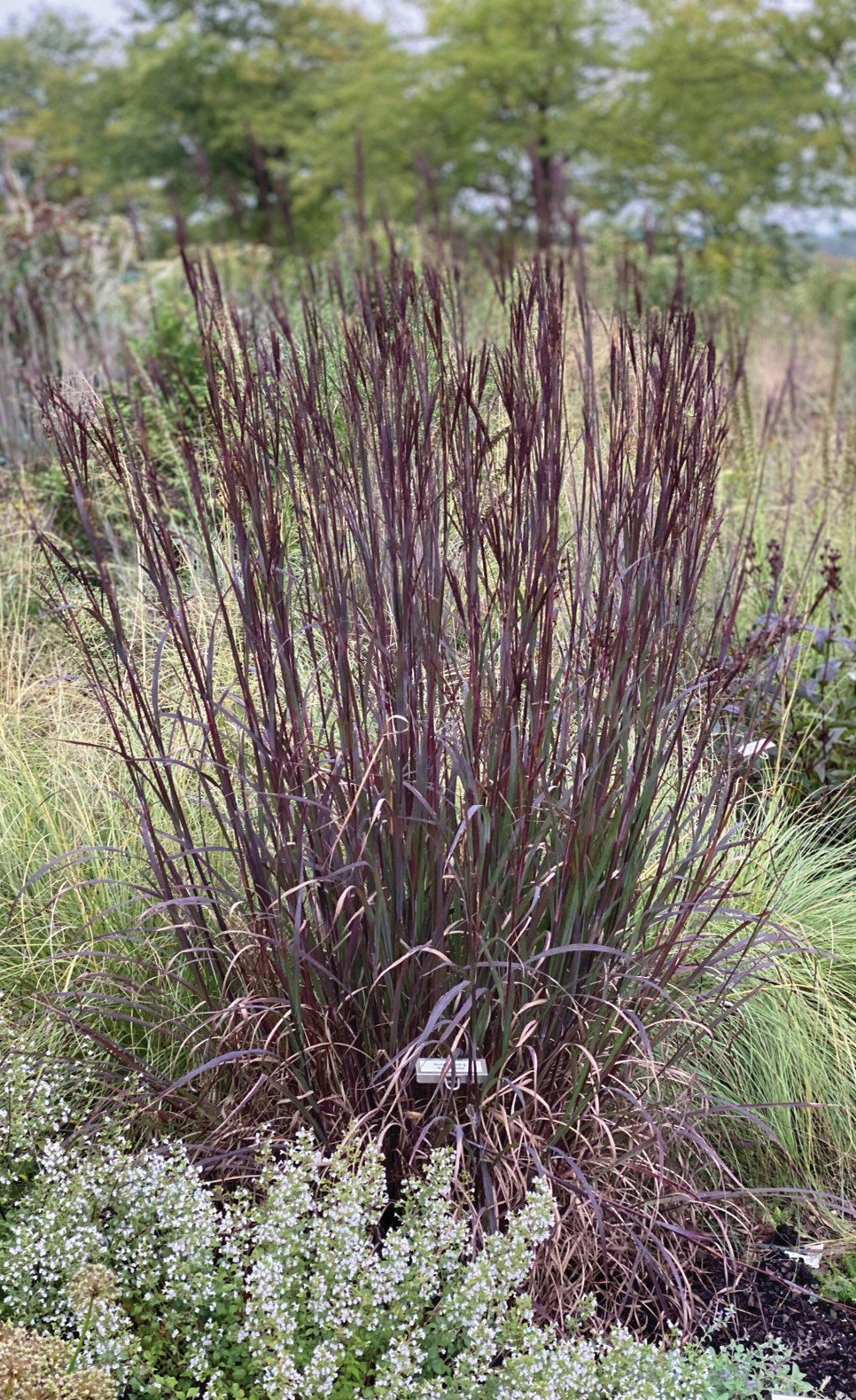
‘Blackhawks’ is a cultivated variety of Big Bluestem, a native prairie grass known for its strength and upright habit. What sets this selection apart is its dramatic foliage color.
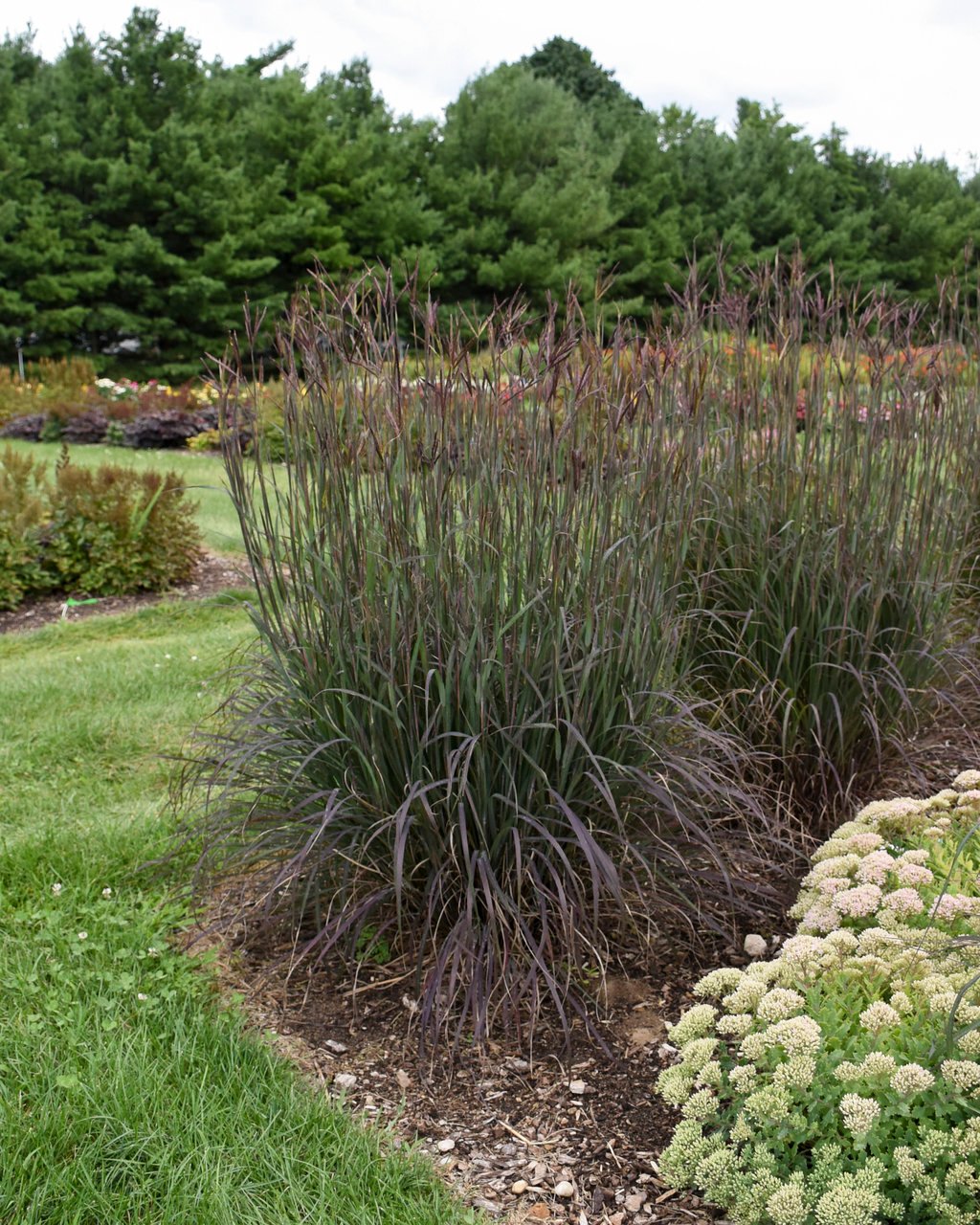
In early summer, it emerges deep green with hints of purple. As the season progresses — especially in full sun — the blades darken into rich burgundy and nearly black tones. By late summer and fall, the color deepens further, creating striking contrast against lighter perennials and surrounding turf.
Why It Works in St. Louis
Big Bluestem is native to the Midwest, making it exceptionally well-suited for the heat, humidity, and clay-heavy soils common throughout St. Louis and West County. Once established, it's drought-tolerant and low-maintenance.
That resilience translates to reduced long-term input compared to more delicate ornamental grasses. It offers strong vertical structure without demanding constant attention.
Design Applications
‘Blackhawks’ works especially well in:
- Entry feature beds at subdivision entrances
- Poolside or patio borders for modern homes
- Large mass plantings in commercial landscapes
- Naturalized edges or prairie-inspired designs
- Back-of-bed anchor plantings that provide seasonal height
Its upright, architectural form pairs beautifully with softer perennials and low groundcovers. It provides movement in the breeze while maintaining a disciplined structure.
Even in winter, the dried stalks provide texture and visual interest before being cut back in early spring.
Vernonia lettermannii ‘Iron Butterfly’
Airy Texture with Pollinator Appeal
In contrast to the bold verticality of ‘Blackhawks,’ ‘Iron Butterfly’ brings lightness and movement.
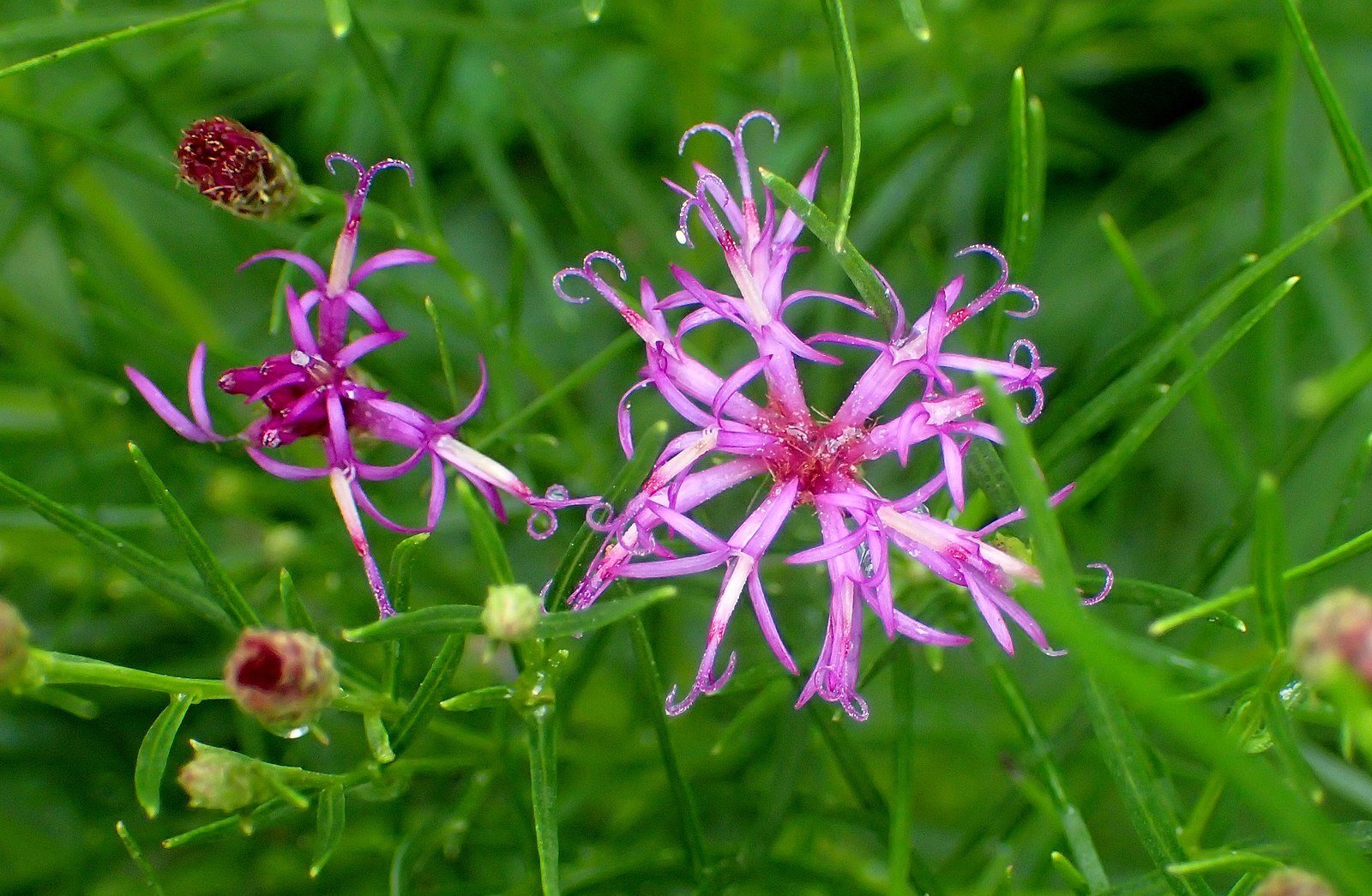
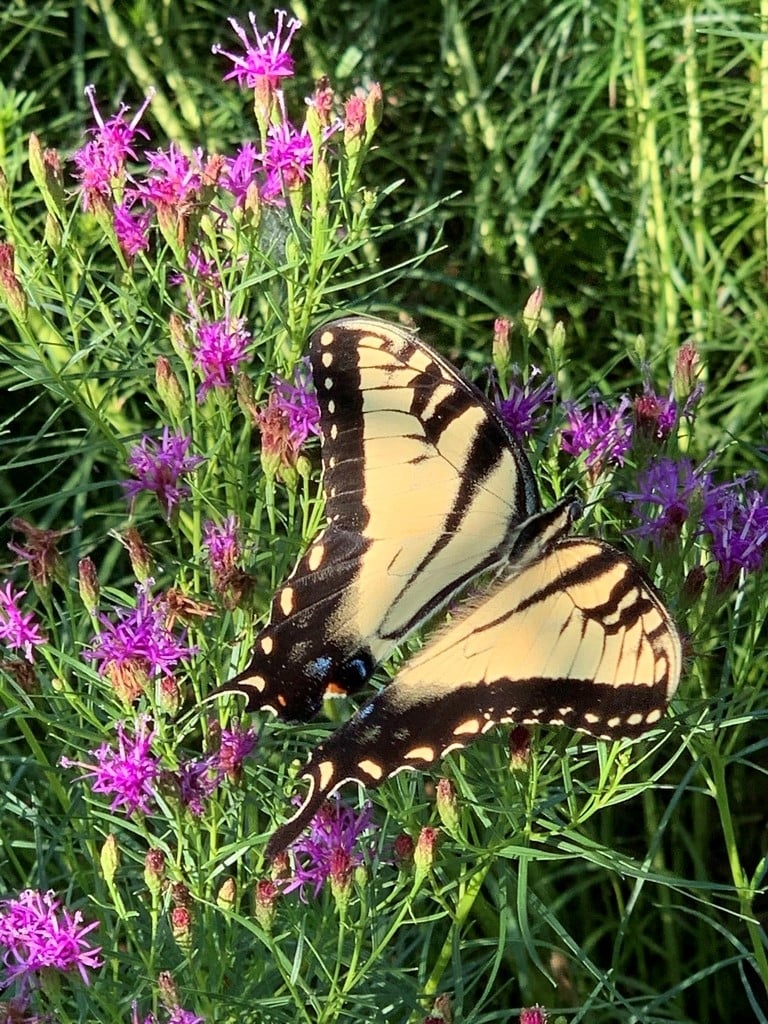
This native perennial features fine, threadlike foliage that gives it a soft, almost feathery appearance. In late summer, it produces vibrant purple blooms that attract butterflies and other pollinators.
The plant maintains a tidy, compact habit — typically 2 to 3 feet tall — making it easier to incorporate into more structured planting designs compared to traditional ironweed varieties.
Why It Performs Well in West St. Louis County
‘Iron Butterfly’ thrives in full sun and tolerates the hot summers common in Chesterfield, Wildwood, Ellisville, and Ballwin. It prefers well-drained soils but adapts well once established.
Its compact form and strong stems prevent flopping, which makes it particularly useful in commercial settings where uniformity and neatness are important.
Design Applications
'Iron Butterfly' works well in:
- Front yard foundation beds
- Pollinator-friendly garden sections
- Mixed perennial borders
- Clubhouse landscapes and community gathering areas
- Accent groupings within larger bed designs
The purple blooms provide late-season color when many early perennials have faded, extending visual interest into late summer.
A Shared Theme: Structure and Movement
What makes the 2026 selections especially compelling is how well they complement each other.
‘Blackhawks’ provides strong vertical lines and dramatic color. ‘Iron Butterfly’ introduces softness and seasonal bloom.
Together, they reflect a broader trend in landscape design: combining structure with movement, resilience with refinement, and ecological awareness with aesthetic clarity.
For properties throughout St. Louis and West County, this balanced approach creates thoughtfully layered landscapes that feel intentional in every season.
How These Plants Fit into West County Properties
These selections introduce depth, texture, and seasonality. elevate planting beds beyond standard shrubs and annual color. They offer durability, native adaptation, and multi-season interest — valuable traits for common ground and entrance plantings that need to perform year after year.
Both plants are well-suited to the regional climate and soil conditions found throughout West St. Louis County, making them smart additions rather than risky experiments.
Planning for the Seasons Ahead
National “Plant of the Year” selections often influence design trends for years to come. Incorporating plants like these early allows properties in Chesterfield, Wildwood, Ellisville, Ballwin, and surrounding St. Louis communities to stay ahead of the curve.
At Dowco, our landscape consultations help identify plant combinations that align with your property’s style, maintenance expectations, and long-term goals. Whether updating a residential landscape, refreshing subdivision common areas, or enhancing a commercial property, intentional planning makes all the difference.